
Commercial vs. Residential Roofing: Key Differences Explained
Understanding the differences between commercial and residential roofing helps you make informed decisions whether you own a home or business.
Whether you own a home, a business, or both in North Alabama, understanding the differences between commercial and residential roofing helps you make informed decisions about maintenance, repairs, and replacement. While the basic principle is the same—keeping weather out—the materials, methods, and considerations differ significantly.
At River City Roofing Solutions, we handle both residential and commercial roofing projects throughout Decatur, Huntsville, and the Tennessee Valley. Here's what property owners should know.
The Fundamental Difference: Roof Design
The most obvious difference between commercial and residential roofs is usually the design.
Residential roofs are typically steep-sloped, with pitches ranging from moderate to steep. This pitch allows water and debris to shed naturally.
Commercial roofs are often low-slope or flat, with minimal pitch (usually just enough for drainage). Some commercial buildings have steep-slope sections, but flat roofs dominate.
This design difference drives many other differences in materials and methods.
Roofing Materials
Different roof designs require different materials.
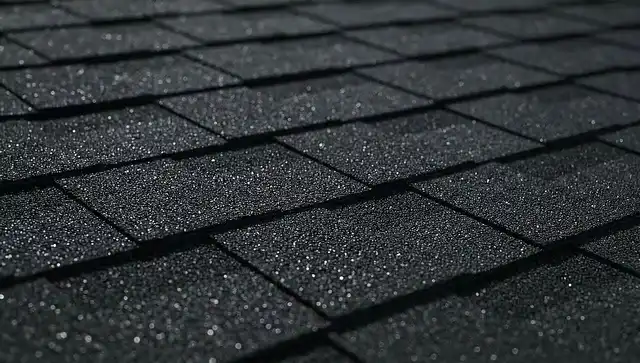
Residential steep-slope materials include asphalt shingles (by far the most common), metal roofing, slate, tile, and wood shingles. These materials rely on gravity and overlap to shed water.
Commercial flat-roof materials include built-up roofing (BUR), modified bitumen, single-ply membranes (TPO, EPDM, PVC), and spray polyurethane foam. These materials form continuous waterproof barriers since water doesn't shed quickly from flat surfaces.
Some commercial buildings with steep-slope sections may use metal or other residential-type materials.
Installation Complexity
Installation methods differ between commercial and residential roofing.
Residential installation is typically shingle-by-shingle work, with teams progressing across the roof surface. Skilled labor is essential, but the process is relatively standardized.
Commercial installation often involves larger material rolls or sections, specialized equipment, and different techniques for seaming and sealing. Proper adhesion and seam integrity are critical since flat roofs have no pitch to help shed water from imperfect areas.
Commercial projects often require more planning, staging, and coordination.
Maintenance Requirements
Ongoing maintenance differs between roof types.
Residential roofs generally need less frequent maintenance—annual inspections, gutter cleaning, and prompt attention to any damage.
Commercial flat roofs require more active maintenance—regular drainage checks, debris removal, membrane inspection for punctures or seam problems, and attention to any rooftop equipment that penetrates the membrane.
Neglected maintenance on flat roofs leads to problems faster than on steep-slope roofs.
Lifespan Expectations
Expected lifespans vary by material type.
Residential asphalt shingle roofs typically last 20-30 years depending on material quality and conditions.
Commercial single-ply membranes typically last 15-25 years with proper maintenance.
Metal roofing (used on both residential and commercial) can last 50+ years.
Lifespan depends heavily on installation quality, maintenance, and local conditions.
Cost Considerations
Pricing structures differ between commercial and residential.
Residential roofing is typically priced by the square (100 square feet) based on material costs and complexity.
Commercial roofing is typically priced based on total square footage, material type, and project complexity including access, equipment needs, and building operations considerations.
Direct cost comparisons between commercial and residential are difficult because the materials and methods differ so significantly.
Drainage Considerations
Water management differs significantly.
Residential steep-slope roofs drain naturally by gravity. Gutters collect water at the eaves and direct it away from the foundation.
Commercial flat roofs require planned drainage systems—interior drains, scuppers, or edge gutters. Ponding water on flat roofs accelerates material deterioration and can cause structural problems.
Proper drainage design and maintenance is critical for commercial roof longevity.
Energy Efficiency
Energy considerations differ between roof types.
Residential energy efficiency focuses on attic insulation and ventilation. Roofing material color affects heat absorption.
Commercial roofing often incorporates reflective cool roof materials to reduce cooling costs. Insulation is typically installed above the deck rather than below. Energy efficiency calculations are more significant given larger building volumes.
White or reflective commercial roofing can substantially reduce cooling costs compared to dark materials.
Repair Approaches
Repair methods differ between roof types.
Residential repairs often involve replacing individual shingles or small sections.
Commercial flat roof repairs require identifying the leak source (which may not be directly above the visible water damage), preparing the membrane surface, and applying appropriate patches or coatings.
Commercial leak detection can be more challenging since water may travel horizontally along the membrane before finding an entry point.
Code and Insurance Considerations
Regulatory requirements differ.
Commercial roofing must meet different building code requirements, often including fire ratings and wind uplift resistance specifications.
Commercial properties typically require specific insurance coverage for roof-related claims.
Business interruption during roof work may be a consideration for commercial properties.
Choosing a Contractor
Not all roofing contractors handle both residential and commercial work.
Residential specialists may lack experience with flat-roof systems.
Commercial-only contractors may not be set up for homeowner service.
Look for contractors experienced with your specific roof type.
Ask for references for similar projects.
Our Approach
At River City Roofing Solutions, we handle both residential and commercial projects throughout North Alabama. Our experience with both types means we understand the unique requirements of each and can provide appropriate solutions whether you need work on your home, your business, or both.
Different roofs require different expertise—make sure your contractor has the right experience for your project.
Need Help With Your Roof?
Our expert team is ready to provide a free inspection and answer any questions you have.
Written by
Michael Muse
Explore Our Roofing Services & Areas
Related Articles

Filing a Storm-Damage Roof Insurance Claim in Alabama: A Step-by-Step Guide
After a North Alabama hail or windstorm, your roof may have covered damage — but the claims process can feel intimidating. This step-by-step guide walks Decatur and Huntsville homeowners through documenting damage, filing, the adjuster meeting, ACV vs RCV, and avoiding storm chasers.
Read Article
How Alabama's Extreme Heat Damages Your Roof (and How to Protect It)
North Alabama's brutal summer heat quietly ages your roof long before you see a leak. Learn how high temperatures, UV, and thermal cycling damage shingles, the warning signs to watch for, and how to protect your Decatur or Huntsville roof.
Read Article
The Roof That Pays You Back: Reflective Shingles, Class 4 Ratings, and Alabama Insurance Discounts
In the deep heat of an Alabama summer, the right roof can pay you back three ways: lower cooling bills, insurance premium credits, and fewer storm claims. Here is how reflective shingles and Class 4 impact ratings actually pencil out.
Read ArticleExplore More Roofing Tips
Check out our complete collection of roofing guides, tips, and industry insights.