
Roofing for Historic Homes: Preserving Character While Ensuring Protection
Own a historic home in North Alabama? Learn how to balance preservation with modern roofing needs and materials.
North Alabama is home to many historic properties—from antebellum homes in Decatur to early 20th century bungalows throughout the Tennessee Valley. These homes have character and charm that newer construction can't replicate. They also present unique roofing challenges.
At River City Roofing Solutions, we've worked on many historic properties across our region. Here's what homeowners need to know about roofing for older and historic homes.
Understanding Historic Roofing
Historic homes were built with different roofing materials and methods than we use today.
Original materials might include wood shingles, slate, clay tile, metal (often terne or standing seam), or early asphalt shingles.
Construction methods reflected the materials available—different deck spacing, different fastening techniques, different flashing approaches.
Design elements like dormers, turrets, steep pitches, and complex rooflines were more common and reflect architectural styles of their eras.
Some historic homes have already been re-roofed multiple times, sometimes with materials that don't match the original character.
Preservation Versus Protection
Historic homeowners often face a tension between preservation and practicality.
Authentic materials may be expensive, hard to find, or require specialized installation.
Original materials may not meet current building codes or insurance requirements.
Modern materials may look wrong on a historic home, affecting both aesthetics and property value.
Compromise solutions exist but require careful consideration.
Working With Historic Preservation Requirements
Some historic homes are subject to regulations governing exterior changes.
Homes in designated historic districts may require approval for roof changes.
Properties on the National Register of Historic Places may have restrictions, especially if preservation tax credits were used.
Local historic preservation commissions may review exterior modifications.
Even without formal requirements, maintaining historic character protects your investment.
Before planning roof work, understand what requirements or guidelines apply to your property.
Material Options for Historic Homes
Several approaches can balance authenticity with practicality.
Slate roofing is extremely long-lived and was common on high-end historic homes. Genuine slate is still available but expensive. Quality synthetic slate provides a similar appearance at lower cost.
Wood shingles and shakes were common on many older homes. While beautiful, they require more maintenance and may face fire code restrictions. Composite wood-look shingles offer alternatives.
Metal roofing was popular historically and remains viable. Standing seam metal can last decades. Copper develops attractive patina. Metal shingles can mimic historic profiles.
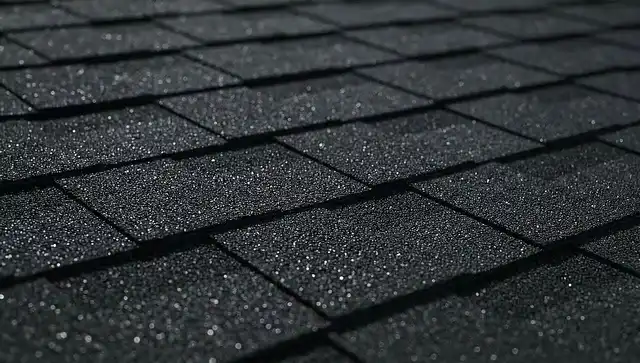
Architectural asphalt shingles can work on some historic homes, particularly those from the early 20th century when asphalt shingles became common. Premium designer shingles can mimic slate or wood appearance.
Clay and concrete tile remain available for homes with tile roofs. Weight requires adequate structural support.
Matching Existing Materials
When repairing rather than replacing a historic roof, matching is crucial.
Slate repairs should use salvaged slate matching the original in size, thickness, and color. New quarry slate may not match weathered original slate.
Metal repairs should match the profile, seam type, and material of the original.
Wood repairs should use the same wood species and cut type—there's a significant difference between sawn and split shingles.
When exact matches aren't possible, repairs may need to be confined to less visible areas, or full replacement may be more appropriate than mismatched patching.
Structural Considerations
Historic homes may have structural differences that affect roofing.
Deck materials may be boards rather than plywood, with varying spacing.
Framing may be irregular or undersized by modern standards.
Settlement over decades may have created uneven surfaces.
Previous modifications may have altered structural support.
Before major roofing work, structural evaluation helps avoid problems.
Flashing and Details
Historic homes often have complex flashing situations.
Intricate rooflines create more joints and transitions.
Masonry chimneys may have deteriorated, requiring repair before reflashing.
Original flashing may be lead or copper that's lasted decades—modern materials may not match.
Decorative elements like finials, cresting, or decorative ridge caps require special attention.
Quality flashing work is even more important on complex historic rooflines.
Finding Qualified Contractors
Not every roofing contractor is suited for historic work.
Look for experience with older homes and understanding of historic construction.
Ask for references and examples of previous historic work.
Ensure the contractor understands any preservation requirements that apply.
Discuss material options and their impact on historic character.
The cheapest bid may not serve a historic home well.
Documentation for Insurance and Taxes
Historic home roofing may have financial implications.
Document the existing roof condition before work begins.
Maintain records of materials used and work performed.
Some historic preservation work may qualify for tax credits—consult with tax professionals.
Insurance requirements may differ for historic properties.
Proper documentation supports both insurance coverage and potential tax benefits.
Maintenance for Historic Roofs
Historic roofing materials often require different maintenance.
Slate roofs may need individual slate replacement as pieces crack or slide.
Metal roofs may need repainting or resealing of seams.
Wood shingles benefit from treatments to prevent moss and extend life.
Complex rooflines require more frequent inspection and cleaning.
Regular professional inspection helps catch problems early.
Preserving Your Home's Character
Your historic home's roof is part of its character. A roof that doesn't fit—whether modern white standing seam on a Victorian home or cheap three-tab shingles on a Craftsman bungalow—diminishes the property.
Conversely, a well-chosen roof that complements the architecture enhances both appearance and value.
At River City Roofing Solutions, we appreciate the unique character of North Alabama's historic homes. We'll help you find solutions that protect your home while preserving what makes it special.
Need Help With Your Roof?
Our expert team is ready to provide a free inspection and answer any questions you have.
Written by
Michael Muse
Explore Our Roofing Services & Areas
Related Articles

Filing a Storm-Damage Roof Insurance Claim in Alabama: A Step-by-Step Guide
After a North Alabama hail or windstorm, your roof may have covered damage — but the claims process can feel intimidating. This step-by-step guide walks Decatur and Huntsville homeowners through documenting damage, filing, the adjuster meeting, ACV vs RCV, and avoiding storm chasers.
Read Article
How Alabama's Extreme Heat Damages Your Roof (and How to Protect It)
North Alabama's brutal summer heat quietly ages your roof long before you see a leak. Learn how high temperatures, UV, and thermal cycling damage shingles, the warning signs to watch for, and how to protect your Decatur or Huntsville roof.
Read Article
The Roof That Pays You Back: Reflective Shingles, Class 4 Ratings, and Alabama Insurance Discounts
In the deep heat of an Alabama summer, the right roof can pay you back three ways: lower cooling bills, insurance premium credits, and fewer storm claims. Here is how reflective shingles and Class 4 impact ratings actually pencil out.
Read ArticleExplore More Roofing Tips
Check out our complete collection of roofing guides, tips, and industry insights.