
New Construction Roofing: What to Know When Building Your Home
Building a new home? Learn what goes into a quality new construction roof and how to make smart decisions during the build process.
Building a new home in North Alabama is exciting. You get to make decisions about everything from floor plans to finishes. Among those decisions, your roof is one of the most important—it protects everything underneath and significantly affects your home's appearance, energy efficiency, and long-term maintenance costs.
At River City Roofing Solutions, we work with builders and homeowners on new construction projects throughout Decatur, Huntsville, Madison, and the Tennessee Valley. Here's what you should know about new construction roofing.
Why Roof Decisions Matter
Your roof represents roughly five to ten percent of new construction costs but affects your home in outsized ways.
Protection is the primary function—everything inside your home depends on a weather-tight roof.
Aesthetics significantly impact curb appeal—the roof is visible from every angle.
Energy efficiency is affected by roofing materials, color, ventilation, and attic insulation.
Maintenance requirements vary widely between materials—this affects long-term costs.
Resale value reflects roof quality—buyers notice roofing.
Working with Your Builder
Most builders include roofing in their standard package, but you typically have options.
Understand what's included—what material, manufacturer, warranty, and installation standards are in the base price?
Ask about upgrades—what options are available, and what do they cost?
Know who installs the roof—is it the builder's crew, or a subcontracted roofing company?
Ask about warranties—both material warranties and workmanship warranties.
Request specifications in writing—exactly what will be installed.
Choosing Roofing Materials for New Construction
New construction offers the full range of material options since there are no constraints from existing roof systems.
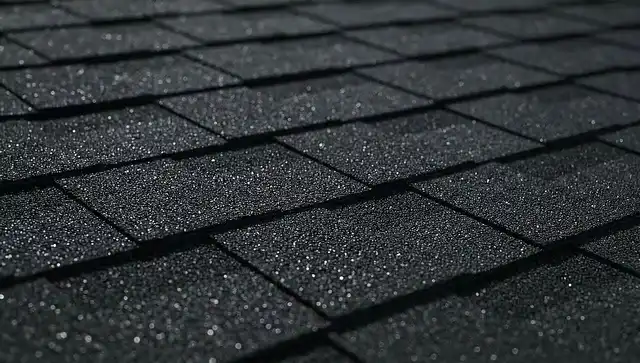
Asphalt shingles remain the most popular choice for good reason—they're affordable, available in many styles and colors, and perform well in our climate. Within asphalt shingles:
Three-tab shingles are economical but offer shorter lifespan and basic appearance.
Architectural (dimensional) shingles provide better durability, appearance, and wind resistance.
Premium designer shingles mimic slate or wood shake appearance with enhanced warranties.
Metal roofing has grown dramatically in popularity for new construction.
Standing seam metal offers clean modern lines and exceptional longevity.
Metal shingles provide traditional appearance with metal benefits.
Stone-coated metal combines durability with aesthetic versatility.
Higher initial cost is offset by a fifty-plus year lifespan and low maintenance.
Other options including tile, slate, and synthetic materials are available for specific architectural styles or premium budgets.
Roof Design Considerations
New construction lets you optimize roof design from the start.
Roof pitch affects everything—appearance, material options, attic space, and weather resistance. Steeper pitches shed water and debris better but cost more.
Complexity adds cost and maintenance needs—every valley, hip, and penetration is a potential leak point. Simple roof designs last longer with less maintenance.
Overhang depth affects wall protection and energy efficiency—deeper overhangs protect siding and windows from weather and summer sun.
Penetrations should be minimized—every pipe, vent, and skylight through the roof is a potential leak point.
Drainage planning ensures water flows away from the home—proper gutter sizing and downspout placement matter.
Ventilation Is Critical
Proper attic ventilation is essential for roof longevity and home comfort.
Balanced ventilation means equal intake (typically soffit vents) and exhaust (ridge vents, roof vents, or gable vents).
Adequate ventilation area depends on attic square footage and climate—North Alabama typically requires one square foot of ventilation per 150 to 300 square feet of attic.
Ventilation type affects performance—ridge vents provide consistent airflow; power vents may be needed in complex attic spaces.
Insulation must not block ventilation—proper baffles maintain airflow at soffits.
New construction is the time to get this right—retrofitting ventilation is more difficult and expensive.
Underlayment and Ice and Water Shield
What goes under your shingles matters as much as the shingles themselves.
Synthetic underlayment has largely replaced felt paper—it's more durable, lies flatter, and provides better secondary protection.
Ice and water shield (self-adhering membrane) should be installed in critical areas—valleys, eaves, around penetrations, and anywhere water could pool or ice could form.
While ice dams are rare in North Alabama, severe weather can drive water where it wouldn't normally go. Proper underlayment protects against these events.
Flashing Details
Flashing quality determines long-term leak resistance.
Step flashing where roof meets walls should be properly woven with shingles.
Chimney flashing should include base flashing, step flashing, and counter flashing—properly integrated with a cricket (saddle) behind the chimney.
Valley flashing options include woven (no metal), closed cut (shingles over metal), and open (exposed metal). Each has appropriate applications.
Drip edge at eaves and rakes protects the deck edge.
Boot flashing around all penetrations should be properly sized and integrated.
New construction allows proper installation of all flashing without cutting corners.
Questions to Ask About Your New Roof
Before your roof is installed, know the answers to these questions.
What specific products will be installed—manufacturer, product line, color?
What is the warranty on materials and what does it cover?
Who installs the roof and what is the workmanship warranty?
What underlayment and ice and water shield will be used and where?
How will attic ventilation be configured?
How will penetrations be flashed?
What quality inspections occur during installation?
Can I observe the installation in progress?
Inspection During Construction
If possible, observe your roof installation at key stages.
After deck installation—check for proper fastening, no damaged sheathing, appropriate thickness.
After underlayment—verify proper overlap, complete coverage, ice and water shield in appropriate locations.
During shingle installation—observe fastening patterns, offset, and technique.
After completion—verify all flashing, clean installation, proper ridge cap.
Your builder should welcome your involvement—quality contractors have nothing to hide.
After Move-In Maintenance
Once you're in your new home, establish good maintenance practices.
Inspect your roof twice a year—spring and fall—from the ground.
Keep gutters clean and flowing freely.
Trim tree branches away from the roof.
Address any concerns promptly—small issues don't improve with time.
Keep documentation of all warranties and products installed.
Investing in Quality
In new construction, upgrading roofing materials is relatively inexpensive compared to retrofit. Going from basic three-tab shingles to premium architectural shingles might add a modest percentage to your build cost while adding years of life and better appearance.
Don't let roofing be an afterthought in your build decisions. It's the system that protects everything else.
At River City Roofing Solutions, we work with builders throughout North Alabama on new construction projects. Whether you're building custom or working with a production builder, we're happy to consult on specifications, provide competitive bids, and ensure your new home gets the roof it deserves.
Need Help With Your Roof?
Our expert team is ready to provide a free inspection and answer any questions you have.
Written by
Michael Muse
Explore Our Roofing Services & Areas
Related Articles

Filing a Storm-Damage Roof Insurance Claim in Alabama: A Step-by-Step Guide
After a North Alabama hail or windstorm, your roof may have covered damage — but the claims process can feel intimidating. This step-by-step guide walks Decatur and Huntsville homeowners through documenting damage, filing, the adjuster meeting, ACV vs RCV, and avoiding storm chasers.
Read Article
How Alabama's Extreme Heat Damages Your Roof (and How to Protect It)
North Alabama's brutal summer heat quietly ages your roof long before you see a leak. Learn how high temperatures, UV, and thermal cycling damage shingles, the warning signs to watch for, and how to protect your Decatur or Huntsville roof.
Read Article
The Roof That Pays You Back: Reflective Shingles, Class 4 Ratings, and Alabama Insurance Discounts
In the deep heat of an Alabama summer, the right roof can pay you back three ways: lower cooling bills, insurance premium credits, and fewer storm claims. Here is how reflective shingles and Class 4 impact ratings actually pencil out.
Read ArticleExplore More Roofing Tips
Check out our complete collection of roofing guides, tips, and industry insights.