
The Complete DIY Roof Inspection Checklist for Homeowners
You don't need to climb on your roof to assess its condition. Here's how to do a thorough inspection from the ground and attic.
Professional roof inspections are important, but you don't need to wait for a contractor to assess your roof's general condition. A simple DIY inspection twice a year—plus after any major storm—can help you catch problems early and know when it's time to call in the pros.
Important safety note: Do not climb on your roof unless you have proper safety equipment and experience. Most of this inspection can be done from the ground, a ladder at the eaves, and inside your attic.
Ground-Level Exterior Inspection
Start by walking around your home and looking at the roof from different angles. Bring binoculars if you have them—they help you see details without climbing.
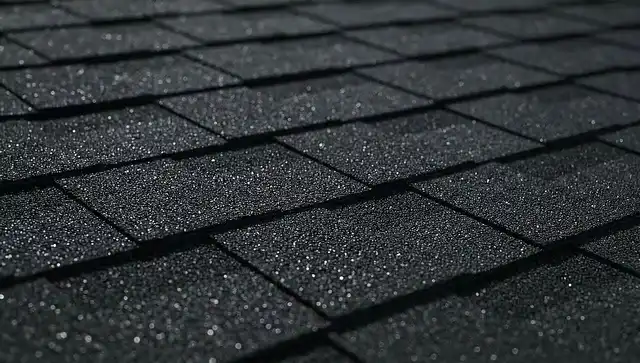
Check shingles for obvious problems: Look for missing shingles (you'll see the underlayment or bare wood), curling or buckling shingles that are lifting at the edges, cracked or broken shingles, and areas where shingle color differs significantly (may indicate repairs or damage).
Examine the roof line: Step back and look at the roof lines. They should be straight. Sagging areas indicate structural problems that need immediate professional attention.
Inspect flashing: Even from the ground, you can often see flashing around chimneys, vents, and where the roof meets walls. Look for rust, gaps, or pieces that appear loose or out of place.
Check the valleys: Roof valleys (where two slopes meet) are common leak points. Look for debris accumulation, damaged shingles, or flashing issues.
Look at vents and penetrations: Plumbing vents, exhaust vents, and other roof penetrations should be intact with no visible damage to the surrounding shingles or flashing.
Evaluate overall appearance: Does the roof look uniform and well-maintained, or tired and worn? Your eye can often tell when a roof is nearing the end of its life even if you can't pinpoint specific problems.
Gutter and Eave Inspection
Get a ladder and safely position it to view your gutters and eaves up close. Don't lean too far—repositioning the ladder is safer than overreaching.
Check gutters for debris: Leaves, sticks, and granules accumulate in gutters. Heavy granule accumulation suggests shingle deterioration.
Inspect gutter condition: Look for rust, holes, sagging sections, and separation at seams. Make sure gutters are firmly attached to the fascia.
Examine the drip edge: The metal edge along the eaves should be intact and properly positioned to direct water into the gutters.
Look at the soffit: The underside of the eaves should be intact with no holes, peeling paint, or visible damage. Damage here can indicate water intrusion.
Check fascia boards: The boards behind your gutters should be solid, not soft or rotted. Probe gently with a screwdriver if you suspect rot.
Attic Inspection
If you have attic access, inspect it at least twice a year—preferably after heavy rain so any leaks are evident.
Look for daylight: In a dark attic, any visible daylight means there are holes in your roof. Even small gaps let in water.
Check for water stains: Look at the underside of the roof decking and the rafters. Water stains appear as dark spots or rings. Follow them upward to try to identify the source.
Inspect for mold or mildew: Moisture problems lead to mold growth. If you see or smell mold, you have a ventilation or leak issue that needs attention.
Assess insulation condition: Wet, matted, or discolored insulation indicates water intrusion. Properly functioning roofs keep insulation dry.
Evaluate ventilation: You should see evidence of airflow—soffit vents allowing air in, ridge or gable vents letting air out. Blocked vents cause moisture and heat problems.
Look for pest evidence: Droppings, nests, or damage from squirrels, raccoons, or birds indicate entry points that need sealing.
Interior Home Inspection
Walk through your home looking for signs of roof problems:
Ceiling stains are the most obvious sign of a roof leak. Even old, dry stains should be investigated—the underlying problem may still exist.
Peeling paint near the ceiling or on upper walls suggests moisture intrusion.
Mold or mildew in upper corners of rooms indicates a moisture problem, possibly from roof or ventilation issues.
Unusual odors, especially musty smells, can indicate hidden water damage.
What to Do With Your Findings
If your inspection reveals no obvious problems, great—document the date and your observations for future reference.
If you find potential issues, schedule a professional inspection. We can assess problems you've identified and check for issues you might have missed. Our inspections are free, and we'll give you an honest assessment of your roof's condition.
If you discover active leaks or significant damage, call immediately. The sooner we address problems, the less damage they cause.
Regular inspections are the key to roof longevity. Catching problems early saves money and prevents the stress of emergency repairs. Make roof inspection part of your seasonal home maintenance routine.
Need Help With Your Roof?
Our expert team is ready to provide a free inspection and answer any questions you have.
Written by
Michael Muse
Explore Our Roofing Services & Areas
Related Articles

Filing a Storm-Damage Roof Insurance Claim in Alabama: A Step-by-Step Guide
After a North Alabama hail or windstorm, your roof may have covered damage — but the claims process can feel intimidating. This step-by-step guide walks Decatur and Huntsville homeowners through documenting damage, filing, the adjuster meeting, ACV vs RCV, and avoiding storm chasers.
Read Article
How Alabama's Extreme Heat Damages Your Roof (and How to Protect It)
North Alabama's brutal summer heat quietly ages your roof long before you see a leak. Learn how high temperatures, UV, and thermal cycling damage shingles, the warning signs to watch for, and how to protect your Decatur or Huntsville roof.
Read Article
The Roof That Pays You Back: Reflective Shingles, Class 4 Ratings, and Alabama Insurance Discounts
In the deep heat of an Alabama summer, the right roof can pay you back three ways: lower cooling bills, insurance premium credits, and fewer storm claims. Here is how reflective shingles and Class 4 impact ratings actually pencil out.
Read ArticleExplore More Roofing Tips
Check out our complete collection of roofing guides, tips, and industry insights.