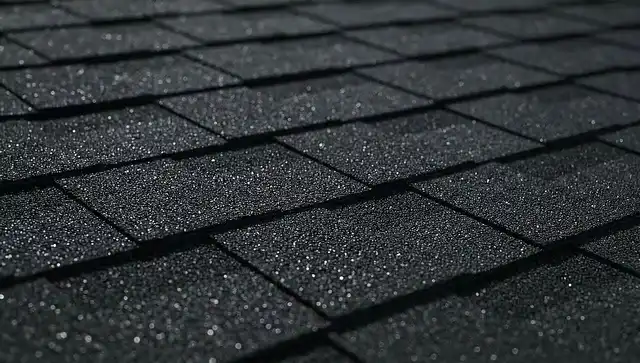

How Long Should Your Roof Last? Factors That Affect Lifespan
A roof is a major investment. Understand what determines how long your roof will last and how to maximize its lifespan.
One of the first questions homeowners ask about a new roof is "How long will it last?" The answer depends on many factors—material choice, installation quality, climate, and maintenance all play significant roles. Understanding these factors helps you make better decisions and maximize your roofing investment.
Expected Lifespans by Material
Different roofing materials have different typical lifespans:
3-Tab Asphalt Shingles: 15-20 years. These economical shingles are thinner and less durable than architectural options.
Architectural Asphalt Shingles: 25-30 years. Premium asphalt shingles with dimensional construction offer significantly longer service life.
Metal Roofing: 40-70 years. High-quality metal roofs can last decades with minimal maintenance.
Clay or Concrete Tile: 50-100 years. These heavy, durable materials can last a lifetime with proper care.
Slate: 75-150+ years. Natural slate is the longest-lasting roofing material but also the most expensive.
Wood Shakes: 25-30 years. Properly maintained wood roofs can last decades but require more upkeep than other materials.
These are averages—actual lifespan varies widely based on the factors discussed below.
Factor 1: Installation Quality
The most durable materials won't perform well if installed incorrectly:
Proper nailing patterns ensure shingles stay secure in high winds.
Correct underlayment installation provides crucial secondary water protection.
Flashing details around penetrations and transitions must be precisely executed.
Ventilation must be properly balanced to prevent moisture and heat damage.
A poorly installed roof might fail in half the expected time, while expert installation can help materials exceed their rated lifespan.
Factor 2: Climate and Weather
Alabama's climate presents specific challenges:
Heat and UV exposure accelerate shingle aging. Alabama's intense summer sun degrades asphalt compounds faster than in cooler climates.
Humidity promotes algae growth, which holds moisture against shingles.
Storm activity, including our frequent thunderstorms and occasional severe weather, can cause immediate damage and cumulative wear.
Temperature fluctuations cause expansion and contraction that stress materials over time.
Our climate is generally moderate, but the combination of heat, humidity, and storms means roofs here may not last quite as long as identical roofs in drier, milder climates.
Factor 3: Ventilation
Poor attic ventilation shortens roof life dramatically:
Heat buildup in poorly ventilated attics can bake shingles from below, accelerating deterioration.
Moisture accumulation promotes rot in decking and reduces insulation effectiveness.
Ice dams in winter (rare in Alabama but possible) occur when poor ventilation allows heat to escape and melt snow unevenly.
Proper ventilation alone can add years to your roof's lifespan. When replacing a roof, ensure ventilation is adequate—it's much easier to address during installation.
Factor 4: Roof Slope and Design
Your roof's design affects its longevity:
Steeper slopes shed water faster, reducing moisture exposure.
Complex rooflines with many valleys, hips, and penetrations have more potential failure points than simple gable roofs.
Orientation matters—south and west-facing slopes get more sun exposure and may wear faster.
Overhanging trees can drop debris, promote moss and algae, and create shade that keeps roofs damp.
Factor 5: Maintenance
Regular maintenance significantly extends roof life:
Annual inspections catch small problems before they become big ones.
Gutter cleaning prevents water backup that damages eaves.
Debris removal reduces moisture retention and physical damage.
Prompt repairs of damaged shingles, flashing, or seals prevent water intrusion.
A well-maintained roof can last years longer than a neglected one, even with identical materials and installation.
Factor 6: Material Quality
Not all shingles are created equal:
Premium brands like Owens Corning and IKO invest heavily in material quality and testing.
Warranty length often correlates with material quality—longer warranties typically indicate better materials.
Energy Star rated products meet specific performance standards.
Manufacturer reputation matters—companies with long track records have proven their products perform.
Spending slightly more for quality materials often provides better long-term value than choosing the cheapest option.
Signs Your Roof Is Nearing End of Life
Watch for these indicators that replacement is approaching:
Age approaching expected lifespan for your material type.
Widespread granule loss on asphalt shingles.
Multiple repairs becoming frequent.
Curling, cracking, or brittleness in shingles.
Daylight visible through the roof in the attic.
Neighbors with similar-age homes replacing roofs.
Maximizing Your Investment
To get the most life from your roof:
Choose quality materials appropriate for your climate and budget.
Hire experienced, reputable installers who stand behind their work.
Ensure proper ventilation is part of the installation.
Maintain your roof regularly—inspections, cleaning, and prompt repairs.
Address problems immediately before they spread.
At River City Roofing Solutions, we help homeowners make informed decisions about roofing materials and maintenance. Whether you're choosing materials for a new roof or trying to maximize the life of your current one, we provide honest guidance based on decades of local experience.
Need Help With Your Roof?
Our expert team is ready to provide a free inspection and answer any questions you have.
Written by
Michael Muse
Explore Our Roofing Services & Areas
Related Articles

Filing a Storm-Damage Roof Insurance Claim in Alabama: A Step-by-Step Guide
After a North Alabama hail or windstorm, your roof may have covered damage — but the claims process can feel intimidating. This step-by-step guide walks Decatur and Huntsville homeowners through documenting damage, filing, the adjuster meeting, ACV vs RCV, and avoiding storm chasers.
Read Article
How Alabama's Extreme Heat Damages Your Roof (and How to Protect It)
North Alabama's brutal summer heat quietly ages your roof long before you see a leak. Learn how high temperatures, UV, and thermal cycling damage shingles, the warning signs to watch for, and how to protect your Decatur or Huntsville roof.
Read Article
The Roof That Pays You Back: Reflective Shingles, Class 4 Ratings, and Alabama Insurance Discounts
In the deep heat of an Alabama summer, the right roof can pay you back three ways: lower cooling bills, insurance premium credits, and fewer storm claims. Here is how reflective shingles and Class 4 impact ratings actually pencil out.
Read ArticleExplore More Roofing Tips
Check out our complete collection of roofing guides, tips, and industry insights.