
Roofing Materials Compared: Asphalt, Metal, Tile, and More
Confused by all the roofing material options? This comprehensive comparison helps you understand the pros and cons of each.
When it's time for a new roof, one of the biggest decisions is material choice. Each roofing material has distinct advantages, disadvantages, and cost implications. This comprehensive comparison helps you understand your options and make an informed choice.
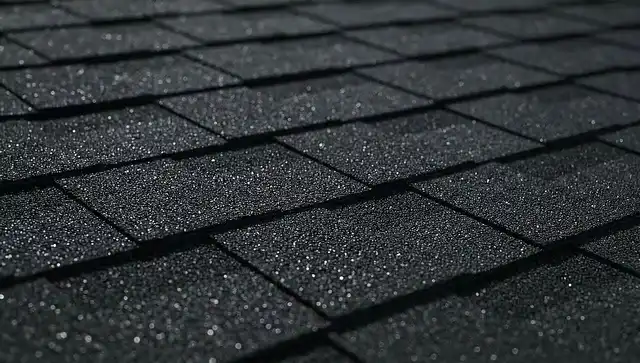
Asphalt Shingles
Asphalt shingles are by far the most common roofing material in North America, and for good reason.
Pros include affordable upfront cost, wide variety of colors and styles, relatively easy installation and repair, proven performance over decades, good availability and familiarity among contractors, and compatibility with most home styles.
Cons include shorter lifespan than premium materials (15-30 years depending on type), susceptibility to wind uplift if not properly installed, degradation from UV exposure over time, and less environmentally friendly than some alternatives (not easily recyclable).
Best for homeowners seeking good value and traditional appearance without the premium price of other materials.
Cost range: $8,000-$15,000 for a typical home, depending on shingle type.
Metal Roofing
Metal roofing has grown significantly in popularity for both residential and commercial applications.
Pros include exceptional longevity (40-70 years), excellent wind and fire resistance, high energy efficiency (reflects solar heat), low maintenance requirements, environmentally friendly (often contains recycled content and is fully recyclable), and many style options including standing seam and metal shingles.
Cons include higher upfront cost (2-3 times asphalt), requires specialized installation skills, can dent from large hail, potential for noise during rain (minimized with proper installation), and limited contractor availability for quality installation.
Best for homeowners planning to stay long-term who value durability and energy efficiency.
Cost range: $15,000-$35,000 depending on style.
Clay and Concrete Tile
Tile roofing is common in Mediterranean, Spanish, and Southwestern architectural styles.
Pros include extremely long lifespan (50-100 years for clay), excellent fire resistance, distinctive aesthetic appeal, good thermal performance, and resistance to rot and insects.
Cons include very heavy (requires structural assessment), high installation cost, fragile when walked on, limited style appropriateness for many home types, and requires experienced installers.
Best for homes with appropriate architecture and structure to support the weight.
Cost range: $20,000-$40,000 or more.
Natural Slate
Slate is the longest-lasting roofing material available.
Pros include unmatched longevity (75-150+ years), beautiful natural appearance, excellent fire resistance, extremely low maintenance, and adds significant home value.
Cons include extremely heavy (structural assessment required), very high cost, fragile when walked on, limited installer availability, and only suits certain architectural styles.
Best for high-end homes with appropriate architecture where the owner values long-term investment.
Cost range: $30,000-$75,000 or more.
Wood Shakes and Shingles
Wood roofing offers a distinctive natural appearance.
Pros include beautiful natural aesthetic, good insulation properties, environmentally friendly (renewable material), and can last 25-30 years with proper maintenance.
Cons include high maintenance requirements, fire risk (unless treated), susceptibility to rot and insects, requires specialized installation, and not permitted in some fire-prone areas.
Best for homeowners who prioritize natural aesthetics and are willing to maintain the roof.
Cost range: $15,000-$30,000.
Synthetic and Composite Materials
Synthetic materials are engineered to mimic the appearance of natural materials.
Pros include lighter weight than natural slate or tile, often lower cost than materials they mimic, improved durability compared to natural wood, and many style options.
Cons include shorter track record than traditional materials, variable quality between manufacturers, may not replicate natural materials perfectly, and some products have had performance issues.
Best for homeowners who want the look of premium materials at lower cost and weight.
Cost range: $15,000-$35,000 depending on material type.
Comparison Chart
Here's how materials stack up on key factors.
Lifespan: Slate (75-150+ years) > Clay Tile (50-100) > Metal (40-70) > Wood (25-30) > Architectural Asphalt (25-30) > 3-Tab Asphalt (15-20)
Initial Cost: Slate > Clay Tile > Metal > Wood > Synthetic > Architectural Asphalt > 3-Tab Asphalt
Maintenance: Slate (lowest) > Metal > Tile > Asphalt > Wood (highest)
Wind Resistance: Metal > Tile > Slate > Asphalt > Wood
Fire Resistance: Slate = Tile = Metal > Treated Wood > Asphalt > Untreated Wood
Energy Efficiency: Metal (light colors) > Tile > Slate > Asphalt
Making Your Decision
Consider these factors when choosing.
Budget constraints often narrow options quickly. Be realistic about what you can afford.
Home architecture influences which materials look appropriate.
Climate considerations matter—our North Alabama weather affects all materials differently.
How long you'll stay in the home affects whether premium longevity is worth the investment.
Personal values like environmental impact may influence your choice.
At River City Roofing Solutions, we work with multiple material types and can help you evaluate options for your specific situation. We'll give you honest advice about what makes sense for your home, budget, and goals.
Need Help With Your Roof?
Our expert team is ready to provide a free inspection and answer any questions you have.
Written by
Chris Muse
Explore Our Roofing Services & Areas
Related Articles

Getting Your Alabama Roof Ready for Cooler Weather: A Fall Checklist
Cooler weather is the perfect time to get your North Alabama roof in shape before winter rain and the occasional freeze. Use this fall checklist — gutters, flashing, attic, ventilation and more — to avoid leaks and costly surprises.
Read Article
When Gulf Storms Come North: What Hurricane Remnants Do to Tennessee Valley Roofs
The Gulf is 300 miles away, but its hurricanes visit North Alabama nearly every year in remnant form. Here is why remnant damage is different from tornado or hail damage — and the mid-July checklist that gets your roof ready for the back half of storm season.
Read Article
Ridge Vents vs. Turbines vs. Box Vents: Which Attic Exhaust Actually Works in Alabama?
Ridge vents, whirlybird turbines, or box vents? As the first real heat of summer arrives, we compare the three main attic exhaust systems head to head and explain which ones actually earn their keep on North Alabama roofs.
Read ArticleExplore More Roofing Tips
Check out our complete collection of roofing guides, tips, and industry insights.