
Roofing Safety: What Every Homeowner Should Know
Before you climb that ladder, understand the serious risks of roof access and when to call professionals instead.
Every year, thousands of homeowners are injured—some fatally—in falls from roofs and ladders. As professional roofers, we've seen the consequences of amateur roof access gone wrong. While we understand the desire to inspect your own roof or handle minor issues yourself, we want every homeowner to understand the real risks involved.
This guide isn't meant to scare you away from ever looking at your roof. It's meant to help you do so safely and recognize when professional help is the smarter choice.
The Statistics Are Sobering
Falls are the leading cause of construction deaths and one of the top causes of fatal home injuries.
Falls from heights account for hundreds of deaths annually, with many occurring at residential properties.
Ladder-related injuries send hundreds of thousands to emergency rooms each year.
Many serious falls occur from relatively low heights—a single-story roof is high enough for fatal injury.
Most falls involve people who have successfully climbed ladders many times before—familiarity breeds complacency.
Why Roofs Are Dangerous
Roofs present hazards that aren't obvious until you're on one.
Slopes that look mild from the ground feel much steeper when you're standing on them.
Roofing materials can be slippery, especially when wet, dusty, or covered in morning dew.
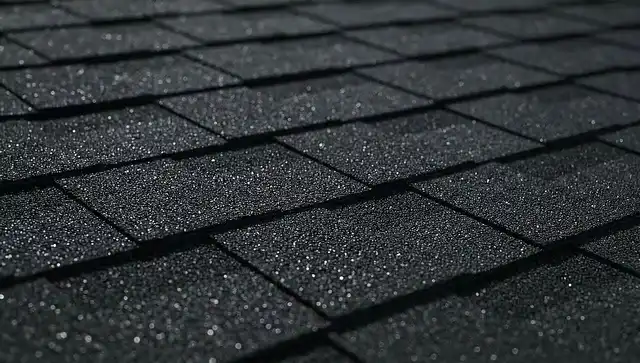
Granules on shingles act like ball bearings under feet.
Roof surfaces may be hot enough to cause burns and soft enough to provide poor traction in summer.
Damaged areas may not support weight.
Edges, skylights, and openings create fall hazards.
Roof penetrations, vents, and equipment can trip or give way.
The surface you're stepping onto may look solid but be rotted underneath.
Ladder Safety Fundamentals
If you do use a ladder, follow these essential rules.
Choose the right ladder—it should extend at least three feet above the roof edge for safe transition.
Inspect the ladder before each use for damage, loose rungs, or mechanical problems.
Place the ladder on solid, level ground. Use leg levelers or a ladder mat if needed.
The 4-to-1 rule: for every four feet of height, the base should be one foot from the wall.
Always face the ladder when climbing or descending.
Maintain three points of contact at all times—two hands and one foot, or two feet and one hand.
Never carry tools or materials while climbing—use a tool belt or haul line.
Don't lean or overreach—climb down and reposition the ladder.
Never use the top two rungs.
Have someone hold the ladder base or use stabilizers.
Never use a ladder in wind, rain, or on ice.
When to Stay Off the Roof Entirely
Professional roofers have training, experience, equipment, and safety systems that homeowners don't. Stay off the roof when:
The roof is wet, icy, or damp—even morning dew creates dangerous conditions.
Wind is present—even moderate wind creates balance problems.
The roof is steep—anything over about 6/12 pitch (roughly 25 degrees) is hazardous without proper equipment.
You're alone—if something goes wrong, you need someone to get help.
You're not in good physical condition—roof work requires balance, strength, and flexibility.
The roof may be damaged—you don't know what will support weight.
You feel uncomfortable or rushed—that feeling exists for good reason.
You need to do actual work—inspection is one thing; repair work significantly increases risk.
Safe Ground-Level Inspection
You can learn a lot about your roof without ever leaving the ground.
Use binoculars to inspect from a distance—look for missing shingles, visible damage, debris accumulation.
Walk around your home looking up at the roof from various angles.
Check your gutters for granules and debris.
Look at the roof from across the street for a full perspective.
Inspect your attic from inside—look for daylight, stains, or damage.
After storms, look for debris in your yard that came from the roof.
If You Must Go On the Roof
If you've evaluated the risks and determined roof access is necessary and safe:
Never go alone—have someone watching who can get help.
Check the weather—ensure dry conditions and no wind.
Wear appropriate footwear with soft, rubber soles that grip.
Tell someone your plans before climbing.
Work during full daylight—never at dusk or dawn.
Stay away from the edges—most falls happen within six feet of the edge.
Watch where you step—look for soft spots, damaged areas, skylight openings.
Move slowly and deliberately.
Don't carry anything—keep your hands free.
Set a time limit and stick to it—fatigue increases risk.
Trust your instincts—if it feels dangerous, get down.
Roof Access Equipment Professionals Use
Professional roofers use safety equipment that homeowners typically don't have.
Roof brackets and toe boards provide secure footing on steep slopes.
Personal fall arrest systems (harnesses, lanyards, anchors) catch falls before they become fatal.
Safety nets and guardrails protect edges.
Proper scaffolding provides stable work platforms.
Foam boots and specialized footwear improve traction.
Team members watch for hazards and each other.
The Cost-Benefit Analysis
Consider what you're risking versus what you're saving.
A professional inspection typically costs a modest amount.
A professional repair costs a few hundred to a few thousand depending on scope.
A serious fall injury costs tens of thousands in medical bills.
A fatal fall costs everything.
Even if you can physically do something, that doesn't mean you should.
When to Call Professionals
Call professional roofers when:
The roof is steep (visible pitch rather than nearly flat).
The roof is high (two stories or more).
Damage is present or suspected.
Actual repair work is needed.
You're uncomfortable with the access.
Weather conditions aren't ideal.
You're not in good physical condition for climbing.
Our Safety Commitment
At River City Roofing Solutions, safety is our first priority—for our team and our customers. Our crew members are trained in fall protection, use proper equipment, and follow OSHA safety guidelines. We carry proper insurance because roofing has inherent risks even with precautions.
We're happy to perform inspections so you don't have to climb. We're happy to answer questions about what you see from the ground. And we're committed to doing every job safely, every time.
Your roof is important. But nothing about your roof is worth a serious injury. When in doubt, stay on the ground and call the professionals.
Need Help With Your Roof?
Our expert team is ready to provide a free inspection and answer any questions you have.
Written by
Chris Muse
Explore Our Roofing Services & Areas
Related Articles

Getting Your Alabama Roof Ready for Cooler Weather: A Fall Checklist
Cooler weather is the perfect time to get your North Alabama roof in shape before winter rain and the occasional freeze. Use this fall checklist — gutters, flashing, attic, ventilation and more — to avoid leaks and costly surprises.
Read Article
When Gulf Storms Come North: What Hurricane Remnants Do to Tennessee Valley Roofs
The Gulf is 300 miles away, but its hurricanes visit North Alabama nearly every year in remnant form. Here is why remnant damage is different from tornado or hail damage — and the mid-July checklist that gets your roof ready for the back half of storm season.
Read Article
Ridge Vents vs. Turbines vs. Box Vents: Which Attic Exhaust Actually Works in Alabama?
Ridge vents, whirlybird turbines, or box vents? As the first real heat of summer arrives, we compare the three main attic exhaust systems head to head and explain which ones actually earn their keep on North Alabama roofs.
Read ArticleExplore More Roofing Tips
Check out our complete collection of roofing guides, tips, and industry insights.