
Roofing Terminology: A Complete Glossary for Homeowners
Confused by roofing jargon? This comprehensive glossary explains all the terms you'll encounter when getting a new roof.
When you start researching roofing or talking to contractors, you'll quickly encounter terminology that might be unfamiliar. Understanding these terms helps you make informed decisions and communicate effectively with your roofing professional. Here's a comprehensive glossary of common roofing terms.
Basic Roof Components
Decking (Sheathing): The wooden boards or plywood sheets that form the base layer of your roof. Shingles and other materials are installed on top of the decking.
Rafters: The structural framing members that support the roof. They run from the ridge (peak) to the eaves (edges).
Trusses: Pre-fabricated structural units that serve the same purpose as rafters but are built as complete triangular frames.
Ridge: The horizontal line where two sloping roof planes meet at the top of the roof—the highest point.
Eaves: The edges of the roof that overhang the exterior walls of the house.
Soffit: The underside of the roof overhang (eaves). Soffits often contain vents for attic ventilation.
Fascia: The vertical board that runs along the edge of the roof, behind the gutters. Gutters are typically attached to the fascia.
Rake: The sloped edge of a roof that runs from the eaves to the ridge on gable ends.
Valley: The internal angle formed where two sloping roof planes meet. Valleys channel water down the roof.
Hip: The external angle formed where two sloping roof planes meet—the opposite of a valley.
Roofing Materials
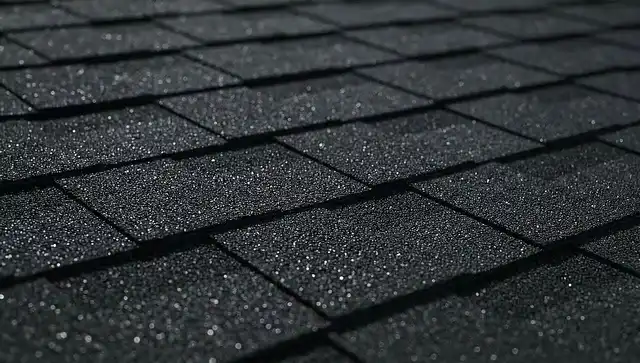
Shingles: Individual overlapping elements that form the outer layer of the roof. Most commonly asphalt, but also available in wood, slate, tile, and metal.
Architectural Shingles (Dimensional Shingles): Premium asphalt shingles with a three-dimensional appearance created by multiple layers. More durable than 3-tab shingles.
3-Tab Shingles: Basic asphalt shingles with three tabs per strip, creating a flat, uniform appearance. Less expensive than architectural shingles.
Underlayment: A water-resistant or waterproof barrier material installed on the decking before shingles. Provides secondary protection against water infiltration.
Felt (Tar Paper): Traditional underlayment made from organic or fiberglass material saturated with asphalt.
Synthetic Underlayment: Modern underlayment material made from polypropylene or polyethylene. Lighter and often more durable than felt.
Ice and Water Shield: Self-adhering waterproof membrane installed in vulnerable areas like valleys and eaves to prevent ice dam damage.
Flashing: Metal pieces (usually aluminum, copper, or galvanized steel) used to waterproof joints and transitions—around chimneys, vents, walls, and valleys.
Drip Edge: Metal flashing installed along roof edges to direct water away from the fascia and into the gutters.
Ridge Cap: Special shingles or material used to cover and protect the ridge of the roof.
Starter Strip: A row of shingles or specific starter material installed along the eaves before the first full course of shingles. Provides adhesive bonding and water protection.
Ventilation Terms
Ridge Vent: Ventilation installed along the ridge of the roof, allowing hot air to escape from the attic.
Soffit Vent: Vents installed in the soffit to allow fresh air to enter the attic. Work with ridge vents to create airflow.
Gable Vent: Louvered vents installed in the gable ends of the attic for ventilation.
Turbine Vent (Whirlybird): A rotating vent that uses wind power to actively pull air from the attic.
Attic Fan: Powered fan that actively exhausts hot air from the attic.
Baffle (Rafter Vent): A channel installed between rafters that keeps insulation from blocking soffit vents and provides a path for airflow.
Measurement Terms
Square: The standard unit for measuring roof area. One square equals 100 square feet.
Slope (Pitch): The angle of the roof, expressed as the number of inches the roof rises for every 12 inches of horizontal distance. For example, a 6/12 slope rises 6 inches for every 12 inches of run.
Low Slope: A roof with a slope of less than 3/12. Often requires different materials than steeper roofs.
Steep Slope: A roof with a slope of 6/12 or greater.
Installation Terms
Tear-off: The process of removing old roofing materials down to the decking before installing a new roof.
Overlay (Re-roof): Installing new shingles over existing shingles without tearing off. Limited to one layer of overlay and not recommended in many situations.
Course: A horizontal row of shingles.
Exposure: The portion of a shingle that's visible after installation—not covered by the shingle above it.
Offset: The horizontal distance between joints in successive courses of shingles.
Damage and Problem Terms
Blistering: Bubbles or raised areas on shingles caused by moisture trapped during manufacturing or installation.
Curling: When shingle edges turn upward (cupping) or the middle rises (clawing). Usually indicates aging or ventilation problems.
Granule Loss: When the protective granules on asphalt shingles wear away, exposing the asphalt layer beneath.
Ice Dam: A ridge of ice that forms at the roof edge, preventing melting snow from draining. Can force water under shingles.
Ponding: Standing water on a low-slope roof that doesn't drain within 48 hours.
Warranty Terms
Manufacturer Warranty: Coverage provided by the shingle or material manufacturer for defects in the materials.
Workmanship Warranty: Coverage provided by the roofing contractor for installation defects.
Prorated Warranty: A warranty where coverage decreases over time—the homeowner pays an increasing percentage of repair or replacement costs as the warranty ages.
Non-Prorated Warranty: Full coverage for a specified period without reduction based on age.
Knowing these terms will help you understand contractor proposals, ask informed questions, and make better decisions about your roof. If you encounter a term we haven't covered, just ask—at River City Roofing Solutions, we're happy to explain anything in plain English.
Need Help With Your Roof?
Our expert team is ready to provide a free inspection and answer any questions you have.
Written by
Chris Muse
Explore Our Roofing Services & Areas
Related Articles

Getting Your Alabama Roof Ready for Cooler Weather: A Fall Checklist
Cooler weather is the perfect time to get your North Alabama roof in shape before winter rain and the occasional freeze. Use this fall checklist — gutters, flashing, attic, ventilation and more — to avoid leaks and costly surprises.
Read Article
When Gulf Storms Come North: What Hurricane Remnants Do to Tennessee Valley Roofs
The Gulf is 300 miles away, but its hurricanes visit North Alabama nearly every year in remnant form. Here is why remnant damage is different from tornado or hail damage — and the mid-July checklist that gets your roof ready for the back half of storm season.
Read Article
Ridge Vents vs. Turbines vs. Box Vents: Which Attic Exhaust Actually Works in Alabama?
Ridge vents, whirlybird turbines, or box vents? As the first real heat of summer arrives, we compare the three main attic exhaust systems head to head and explain which ones actually earn their keep on North Alabama roofs.
Read ArticleExplore More Roofing Tips
Check out our complete collection of roofing guides, tips, and industry insights.