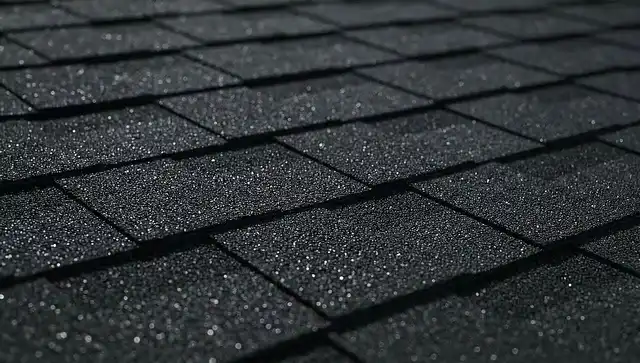

Summer Roof Care: Protecting Your Home in Alabama's Intense Heat
Alabama summers are brutal on roofs. Learn how to protect your investment from heat damage and keep your home comfortable.
Summer in North Alabama means temperatures that regularly exceed 90 degrees, intense UV radiation, sudden afternoon thunderstorms, and the occasional severe weather event. Your roof bears the full force of these conditions. Understanding how summer affects your roof—and what you can do about it—helps protect your home and extend your roof's lifespan.
At River City Roofing Solutions, we see the effects of summer weather on roofs throughout Decatur, Huntsville, Madison, and the Tennessee Valley. Here's our guide to summer roof care.
How Heat Affects Your Roof
Summer heat impacts your roof in several ways.
Thermal expansion and contraction occur daily as temperatures swing from nighttime lows to daytime highs. This constant movement stresses roofing materials, fasteners, and flashing.
UV radiation breaks down roofing materials at the molecular level. Asphalt shingles lose flexibility and protective oils. Metal can fade. Sealants and caulk dry out and crack.
Surface temperatures on a dark roof can exceed 150 degrees on hot days—far hotter than air temperature. This accelerates material degradation.
Heat transfer into your attic affects energy costs and can cause secondary problems like moisture issues if not properly ventilated.
The Importance of Attic Ventilation
Proper attic ventilation is crucial during Alabama summers.
A well-ventilated attic allows hot air to escape rather than building up under your roof deck.
Trapped heat in an unventilated attic can reach 150-170 degrees, "cooking" your shingles from below while the sun cooks them from above.
Hot attics make your air conditioning work harder, increasing energy costs significantly.
Moisture problems develop when hot, humid attic air meets cooler surfaces, leading to condensation, mold, and wood rot.
Check that soffit vents are clear of insulation or debris. Verify that ridge vents or exhaust vents are functional. If your attic feels significantly hotter than it should, ventilation may be inadequate.
Reflective Roofing Options
If you're replacing your roof, consider reflective or cool roofing options.
Light-colored shingles reflect more solar energy than dark colors, keeping your roof and attic cooler.
Cool roof coatings can be applied to some roofing systems to increase reflectivity.
Metal roofing, especially with reflective coatings, can reduce cooling costs by 10-25 percent compared to dark asphalt.
Cool roofing makes the most difference for homes with poor attic insulation or where the HVAC system is in the attic.
Summer Storm Preparedness
Alabama summers bring intense storms with damaging potential.
Check your roof before storm season begins. Address any vulnerable areas—missing shingles, loose flashing, damaged sealants.
Trim tree branches that overhang your roof. Summer storms bring wind and lightning; dead or weak branches become projectiles.
Clean gutters so water drains properly during heavy rain. Clogged gutters cause water to back up under shingles.
Know your insurance coverage and how to document damage if it occurs.
Post-Storm Inspection
After summer storms, inspect your roof from the ground.
Look for obvious damage—missing shingles, debris on roof, bent flashing.
Check gutters for excessive granules, which indicate shingle damage.
Look for debris accumulation in valleys and around penetrations.
If you suspect damage, schedule a professional inspection before problems develop.
Addressing Summer Roof Problems
Common summer roof issues require attention.
Blistering shingles—bubbles in the shingle surface—indicate trapped moisture or manufacturing defects. Blisters weaken shingles and can pop, exposing the mat.
Cracking and splitting develop as shingles lose flexibility from heat and UV exposure. These create paths for water infiltration.
Curling shingles—either cupping upward or curling at edges—are more vulnerable to wind damage.
Flashing failures occur as sealants dry out in the heat. Check around chimneys, vents, and skylights for gaps.
Moss and algae growth accelerates in summer humidity. While cosmetic initially, these organisms can damage shingles over time.
Summer Maintenance Checklist
Take these steps to protect your roof during summer.
Inspect from the ground monthly—look for visible damage, debris accumulation, or changes in appearance.
Ensure attic ventilation is functioning—if your attic is extremely hot, investigate.
Keep gutters clean—summer storms wash debris into gutters.
Trim vegetation—keep branches away from your roof surface.
Address minor issues promptly—small problems become big problems during summer storms.
Consider a professional inspection—mid-summer is a good time to identify developing problems.
When to Schedule Repairs
Some repairs should wait for cooler weather; others shouldn't.
Emergency repairs—active leaks, storm damage, structural issues—need immediate attention regardless of temperature.
Shingle replacement can be done in summer but requires care. Shingles are more pliable in heat (which aids sealing) but can be damaged by foot traffic on very hot days.
Cosmetic repairs and minor maintenance can often wait for fall when conditions are more comfortable.
Major roof replacement is typically done in summer due to weather reliability, but reputable contractors take precautions against heat-related issues.
Energy Efficiency Considerations
Summer is a good time to evaluate your roof's impact on energy costs.
If your cooling bills seem high, your roof may be part of the problem.
Adequate attic insulation keeps conditioned air in and hot air out.
Radiant barriers in the attic can reduce heat transfer significantly.
Light-colored roofing materials reduce heat absorption.
Professional energy audits can identify whether your roof system is contributing to inefficiency.
The Long View
Summer stress accumulates over your roof's lifetime. Each season of intense heat and UV exposure takes its toll. The best strategy is prevention—adequate ventilation, prompt maintenance, and attention to developing problems before they become serious.
At River City Roofing Solutions, we help homeowners throughout North Alabama keep their roofs in top condition through our hot summers. Whether you need an inspection, maintenance, or repair, we're here to help protect your home.
Need Help With Your Roof?
Our expert team is ready to provide a free inspection and answer any questions you have.
Written by
Chris Muse
Explore Our Roofing Services & Areas
Related Articles

Getting Your Alabama Roof Ready for Cooler Weather: A Fall Checklist
Cooler weather is the perfect time to get your North Alabama roof in shape before winter rain and the occasional freeze. Use this fall checklist — gutters, flashing, attic, ventilation and more — to avoid leaks and costly surprises.
Read Article
When Gulf Storms Come North: What Hurricane Remnants Do to Tennessee Valley Roofs
The Gulf is 300 miles away, but its hurricanes visit North Alabama nearly every year in remnant form. Here is why remnant damage is different from tornado or hail damage — and the mid-July checklist that gets your roof ready for the back half of storm season.
Read Article
Ridge Vents vs. Turbines vs. Box Vents: Which Attic Exhaust Actually Works in Alabama?
Ridge vents, whirlybird turbines, or box vents? As the first real heat of summer arrives, we compare the three main attic exhaust systems head to head and explain which ones actually earn their keep on North Alabama roofs.
Read ArticleExplore More Roofing Tips
Check out our complete collection of roofing guides, tips, and industry insights.