
How Alabama's Extreme Heat Damages Your Roof (and How to Protect It)
North Alabama's brutal summer heat quietly ages your roof long before you see a leak. Learn how high temperatures, UV, and thermal cycling damage shingles, the warning signs to watch for, and how to protect your Decatur or Huntsville roof.
An Alabama summer doesn't just test your patience and your power bill — it tests your roof. Here in North Alabama we regularly see stretches of upper-90s heat paired with heavy humidity, and the surface of a dark shingle roof can run 40 to 60 degrees hotter than the air around it. Day after day of that punishment quietly ages your roof long before you ever notice a leak.
Here is what extreme heat actually does up there, the warning signs to watch for, and how to protect the roof over your family's head.
Why Heat Is So Hard on a Roof
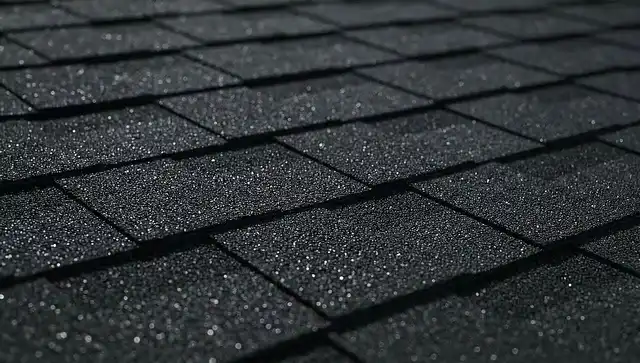
On a 95-degree afternoon, the surface of an asphalt shingle can reach 150 to 160 degrees. That heat, combined with relentless UV exposure, slowly bakes the oils out of the asphalt that keep shingles flexible and waterproof. As those oils dry out, shingles get brittle, lose their protective granules, and become far more likely to crack or tear in the next storm.
Thermal Cycling Is the Silent Culprit
Every day your roof heats up in the afternoon and cools down overnight, and each cycle makes the roofing materials expand and then contract. Over months and years, that constant movement works fasteners loose, opens gaps around seams and flashing, and creates tiny cracks that eventually let water in. It is one of the biggest reasons roofs in our climate wear out faster than the shingle warranty might suggest.
The Attic Connection
What happens under your roof matters just as much as what happens on top of it. When an attic is poorly ventilated, heat gets trapped and builds to punishing levels, essentially cooking your shingles from below and driving your cooling bills up. Proper intake and exhaust ventilation lets that hot air escape, protects your shingles, and takes a real load off your air conditioner.
Warning Signs of Heat Damage
Keep an eye out for shingles that are curling at the edges or cupping in the middle, along with cracked or blistered shingles and bald spots where the granules have worn away. Finding piles of those sandy granules in your gutters is another red flag. Inside, a cooling bill that keeps climbing or an attic that feels like an oven can both point to heat stress on your roof system.
How to Protect Your Roof From the Heat
The good news is that much of this damage is preventable. Make sure your attic has balanced ventilation and adequate insulation. If you are due for a new roof, ask about lighter-colored or reflective "cool" shingles that shed heat instead of soaking it up. Keep your gutters clear so water drains properly, handle small repairs before they spread, and have your roof inspected regularly so problems get caught while they are still small and inexpensive to fix.
A Little Attention Goes a Long Way
Your roof works hardest in the months when you notice it least. A quick professional inspection at the end of a long, hot summer is one of the smartest, most affordable things you can do to add years to its life — and to catch heat damage before it becomes a leak over your living room.
Need Help With Your Roof?
Our expert team is ready to provide a free inspection and answer any questions you have.
Written by
Michael Muse
Explore Our Roofing Services & Areas
Related Articles

Filing a Storm-Damage Roof Insurance Claim in Alabama: A Step-by-Step Guide
After a North Alabama hail or windstorm, your roof may have covered damage — but the claims process can feel intimidating. This step-by-step guide walks Decatur and Huntsville homeowners through documenting damage, filing, the adjuster meeting, ACV vs RCV, and avoiding storm chasers.
Read Article
The Roof That Pays You Back: Reflective Shingles, Class 4 Ratings, and Alabama Insurance Discounts
In the deep heat of an Alabama summer, the right roof can pay you back three ways: lower cooling bills, insurance premium credits, and fewer storm claims. Here is how reflective shingles and Class 4 impact ratings actually pencil out.
Read Article
Storm Season on Sand Mountain: A Roofing Guide for Albertville, Arab, and Guntersville
Sand Mountain's elevation gives Albertville, Arab, and Guntersville some of North Alabama's roughest spring storms. Here is how plateau hail and lake wind damage roofs differently — and how to handle the aftermath like a local.
Read ArticleExplore More Roofing Tips
Check out our complete collection of roofing guides, tips, and industry insights.